

From Test Automation to Quality Engineering: What Changes for Enterprise IT Teams?
Test automation is evolving into Quality Engineering. Learn what this shift means for enterprise IT teams, from continuous testing and performance engineering to shared ownership, AI, observability, and business-focused quality metrics.

The Cost of Poor Software Quality in Financial Services
Poor software quality costs financial institutions billions every year through outages, security incidents, regulatory penalties, and customer churn. Learn why Quality Engineering, test automation, and performance testing have become strategic investments.

AI-Generated Code Is Increasing Testing Demand: Is Your QA Strategy Ready?
AI-generated code is accelerating software delivery, but it is also increasing testing, security, and quality assurance demands. Learn how QA strategies must evolve to manage AI-driven development safely and effectively.

Why DORA Requires Continuous Quality Assurance?
Discover why the EU’s Digital Operational Resilience Act (DORA) makes continuous quality assurance essential for financial institutions. Learn how continuous testing, test automation, and performance engineering support operational resilience and regulatory compliance.

Testing in Critical Systems: Why Quality Assurance Is the Foundation of Safety, Reliability, and Operational Resilience
Discover why testing critical systems requires specialized quality assurance, test automation, and performance testing. Learn best practices, industry standards, and how organizations in banking, telecommunications, and aerospace ensure reliable, resilient software.

What Makes an ATM System Truly Future-Ready?
Future-ready ATM is not only about new technology. It is about being able to validate change – repeatedly, quickly and with evidence.

How AI Is Changing Test Automation in Regulated Industries
Discover how AI is transforming test automation in regulated industries such as banking, telecommunications, and aerospace. Learn how intelligent testing improves software quality, compliance, performance, and operational resilience.

Vibe coding and business-critical systems: where the promise breaks away from reality
Can AI-generated code replace professional software engineering? Discover why “vibe coding” is transforming software development, where its limits lie, and why testing, governance, and quality engineering remain essential for business-critical systems.

Performance Testing Under DORA: Why Availability Is Now a Compliance Requirement
The EU’s Digital Operational Resilience Act (DORA) has fundamentally changed how financial institutions – and the technology partners supporting them – must think about system performance. Availability is no longer measured solely by customer satisfaction or operational excellence. It has become a regulatory expectation. For IT organizations, software vendors, and testing partners, this elevates performance testing from a quality assurance activity to a key component of regulatory compliance.

QA Trends for 2026: How AI, and Regulatory Compliance Are Reshaping Software Testing
Discover the top QA trends for 2026, including AI-driven testing, continuous quality engineering, performance engineering, DORA compliance, and autonomous test automation. Learn how organizations can prepare for the future of software quality.

What Is a Flaky Test and Why Is It a Business Risk?
A flaky test is an automated test that sometimes passes and sometimes fails without a relevant change in the code. At first glance, it may look like a technical nuisance: a failed build, a rerun, a delay in CI/CD. But at scale, flaky tests become a business risk. They slow down releases, waste engineering time, reduce trust in automated testing, hide real defects, and weaken confidence in business-critical software. For organizations in banking, telecommunications, aerospace, and other regulated or high-dependability environments, test flakiness is not just a QA problem. It is an operational risk that must be managed deliberately.

Test Automation Maturity Model: Where Does Your Company Stand?
Test automation is no longer a competitive advantage reserved for technology leaders. In business-critical software, it is becoming a basic requirement for release confidence, operational resilience, and compliance readiness. Yet many organizations still ask the wrong question: “Do we have automated tests?” A better question is: “How mature, repeatable, measurable, and auditable is our testing process?” The Test Maturity Model integration, or TMMi, provides a practical way to answer that question and understand where your company stands on the path from ad hoc testing to optimized quality engineering.

How Much Does a Live Bug Cost? The Real Cost of a Defect in Business-Critical Software
A live software bug is rarely “just a bug.” In business-critical systems, especially in regulated industries, a defect that reaches production can trigger operational disruption, customer impact, compliance exposure, emergency remediation, reputational damage, and long-term technical debt. The real question is not whether testing costs money. The real question is: how much does insufficient testing cost when failure becomes visible?

DORA 2026: This is how banking test automation will be auditable and provable
Since 17 January 2025, DORA has required the EU financial sector to independently test critical ICT systems at least annually, and institutions subject to TLPT every three years with a threat-driven penetration test. The requirement is not to “test”, but to perform testing in a documented, repeatable and audit-provable manner. This is where test automation becomes truly valuable: when all runs are traceable and not chained to a single vendor.

The Testability Keystone: Why Automated Regression Testing is the Strategic Imperative for Modern ANSPs
In an era defined by exponentially rising complexity and faster change cycles, Air
Navigation Service Providers (ANSPs) face a critical challenge: maintaining absolute
system reliability while accelerating modernization.

The Hidden ROI of Automated Testing: Saving Time, Money, and Reputation
The hidden ROI of automated testing shows up in places budgets rarely label as “testing costs”: emergency hotfixes, delayed releases, incident response, customer churn, and the slow erosion of trust when software becomes unpredictable.

AI in Testing: The Future of Automated and Performance Testing Is Now
Lead Artificial intelligence (AI) and machine learning (ML) are no longer emerging trends in software development—they are already reshaping how applications are built, tested, and released.

5 Reasons Why SMEs Should Also Automate Their Testing
Small and medium-sized enterprises (SMEs) often hesitate when it comes to test automation, assuming it’s reserved for large corporations with massive tech budgets.

Top 5 Misconceptions That Delay the Shift from Manual to Automated Testing
The transition from manual to automated testing is a game-changer for companies seeking faster release cycles, higher accuracy, and scalable quality assurance.
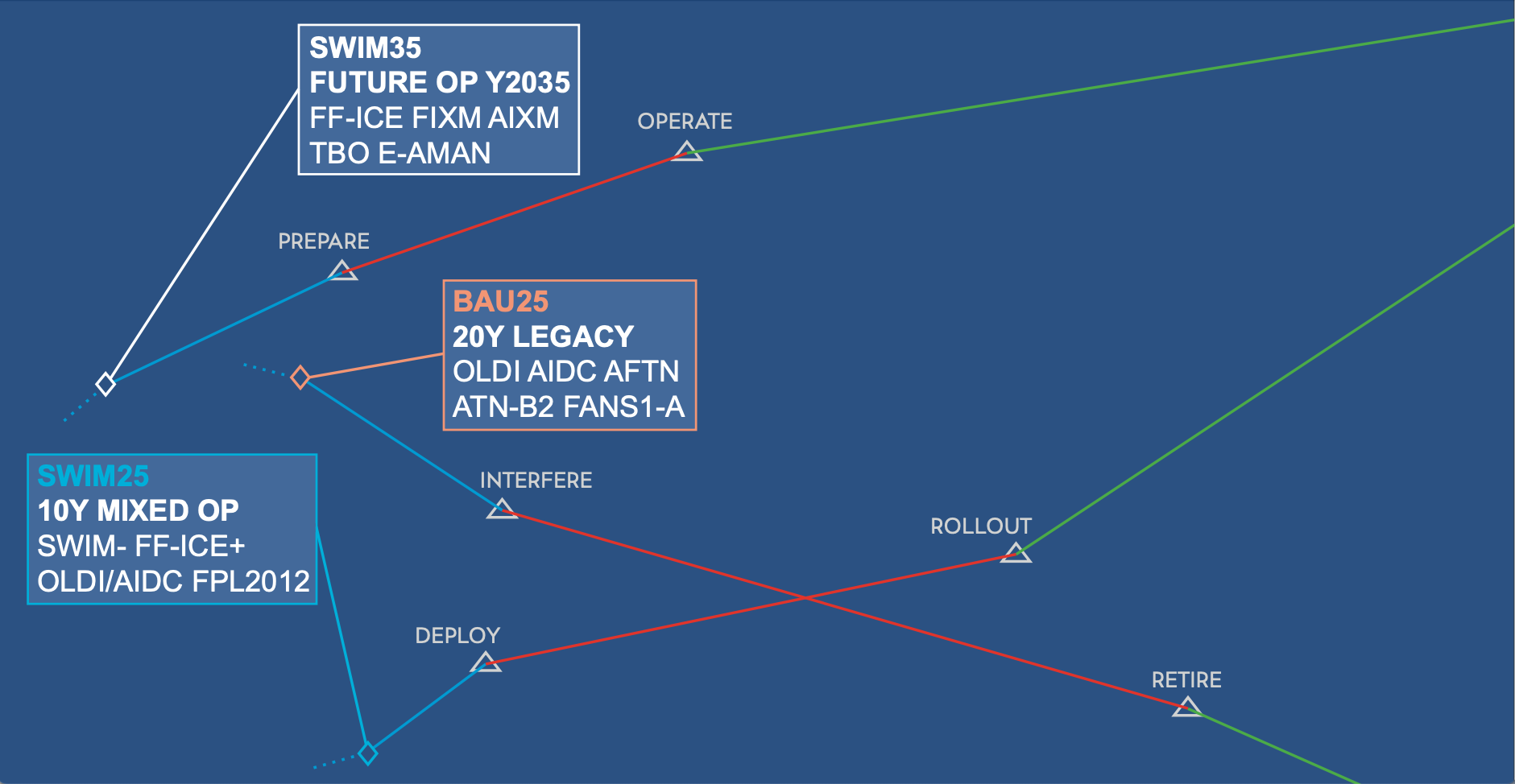
Ready for 2030? Master the ever-faster changes with ATM System Test Tool
With growing demand, capacity shortages and new airspace users on the rise, the ATM industry is preparing for a major paradigm shift with rapidly approaching deadlines.

Is it possible to test automatically an integrated ATM System?
To address the challenges of the ATM industry, a unique aviation industry development was born from the cooperation of HungaroControl and the test automation expert company ProofIT.

Performance Engineering in 6 steps
Performance engineering, which is closely related to performance testing, is a method that aims to optimize the efficiency and reliability of IT systems. What exactly does performance engineering cover? What are the steps of the process?
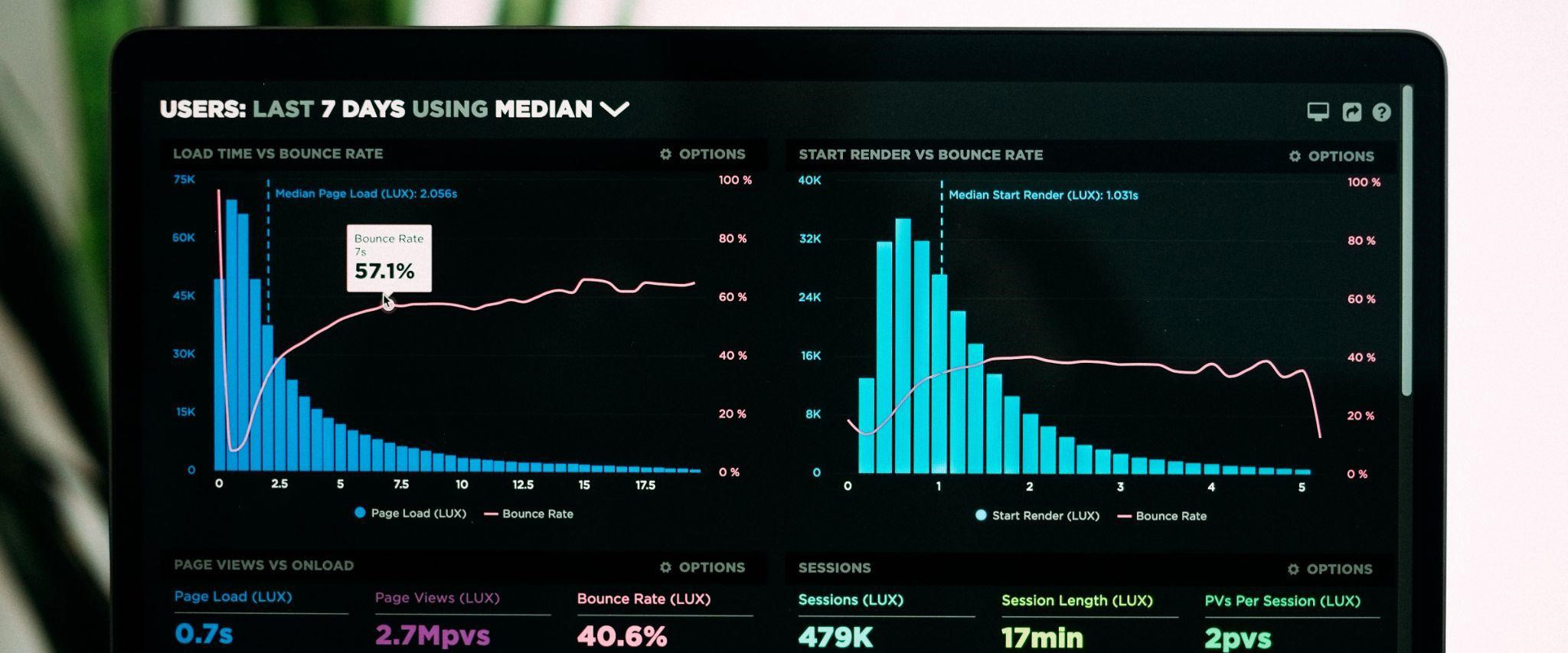
What Are the Benefits of Performance Testing?
Find out how performance testing can help your business identify potential bottlenecks or areas for improvement, ultimately allowing you to improve system performance and reduce risks.

ProofIT is 15 years old – Interview with the founders
A decade and a half is a long time in the life of a company. There were also sharp changes in direction at ProofIT, the company transformed from a software development company to a software testing company. Since then, using their diverse experiences, they have appeared on the market with automatic testing products.

Innovation of HungaroControl and ProofIT reform the aviation industry
ProofIT’s automated software technology-based system is capable for quickly and fully testing air traffic control systems. We present our joint innovation with HungaroControl at the 2022 World ATM Congress.